Ku-Band vs Ka-Band vs C-Band: What Are the Differences for VSAT Satellite Internet?
The frequency band determines the dish size, throughput, cost and rain resistance of your satellite link. GTT | IPSEOS operates all three bands (Ku, Ka and C) across Africa, the Middle East and Europe, as well as Starlink and OneWeb in low Earth orbit, so we can recommend the best solution for your site.
What are the differences ?
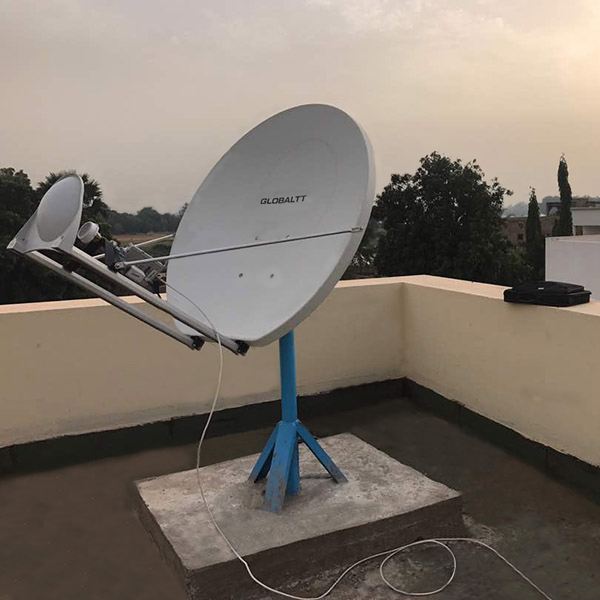
Ku-Band
* Most popular in Africa
* High Throughput
* Very good stability
* High Throughput
* Very good stability
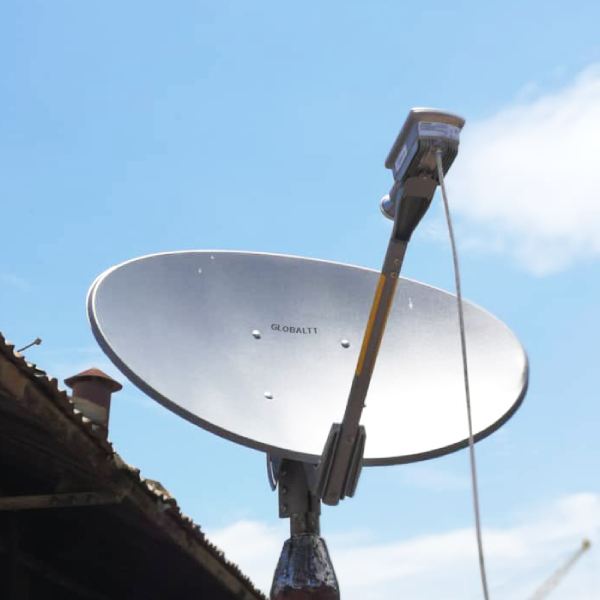
Ka-Band
* Smaller Antenna
* Most affordable access
* Good Coverage
* Most affordable access
* Good Coverage

C-Band
* The best stability
* The best efficiency
* The Largest Coverage
* The best efficiency
* The Largest Coverage
View Equipments
View Equipments
Ku-band vs Ka-band vs C-band comparison
| Criterion | Ku-band | Ka-band | C-band |
|---|---|---|---|
| Frequencies | 12–18 GHz | 26–40 GHz | 4–8 GHz |
| Rain resistance | Good | More sensitive | Excellent |
| Dish size | Medium | Small (74–98 cm) | Large |
| Coverage | Regional | Spot beams | Very wide (continental) |
| Cost per Mbps | Medium | Lowest | Highest |
| Best for | Enterprises, NGOs, camps, mines | SMEs, SOHO, branch offices | Tropical regions, critical links |
What about Starlink or OneWeb?
The Starlink and OneWeb low Earth orbit constellations offer much lower latency than geostationary VSAT. Ku, Ka or C-band VSAT, on the other hand, provides guaranteed bandwidth, private networks and full independence. For critical sites, GTT | IPSEOS combines GEO and LEO with SD-WAN for automatic failover and load balancing.